
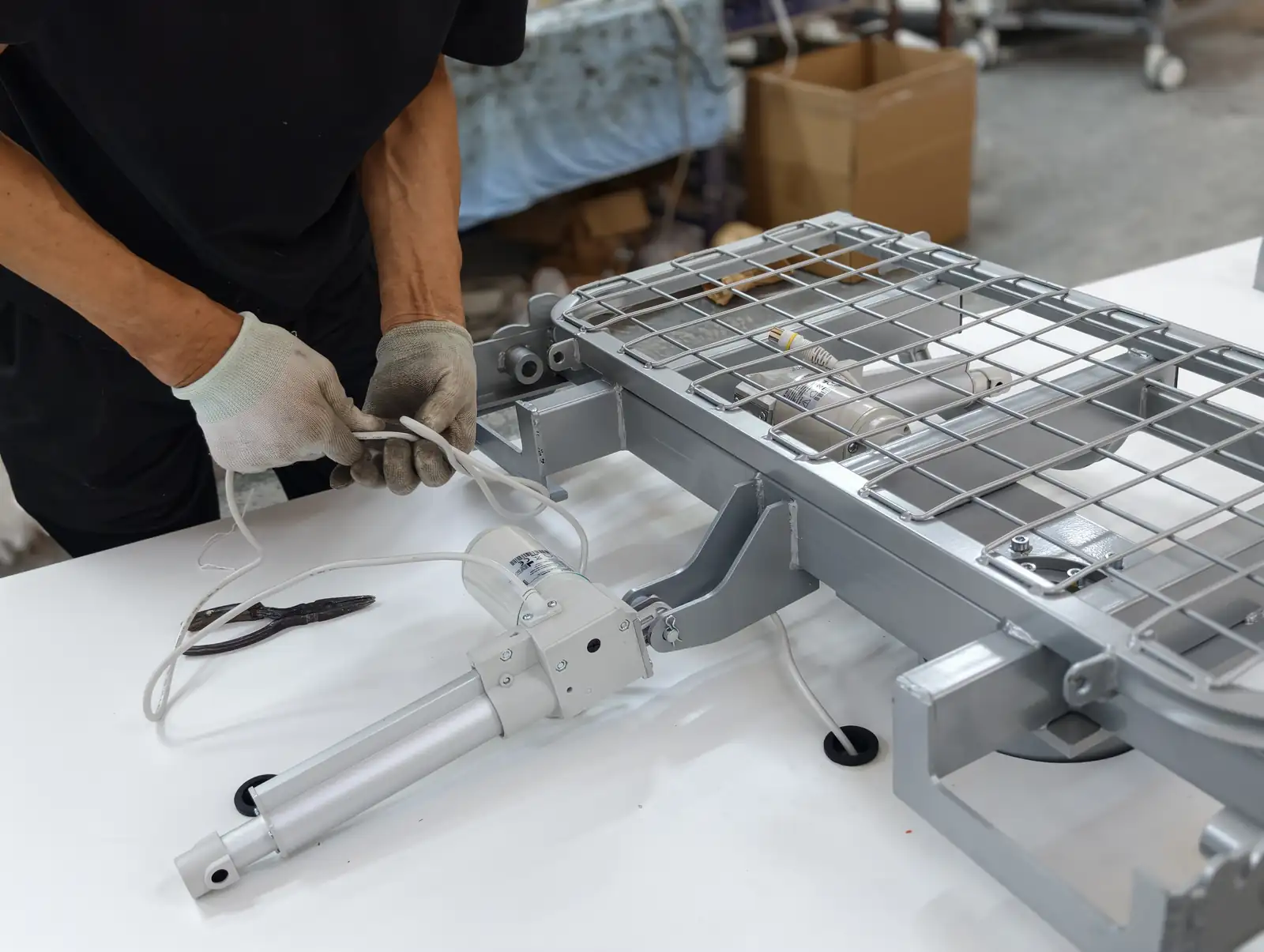
Choosing a hospital bed manufacturer requires more than comparing model lists, certificates and unit prices. A qualified supplier review should examine whether the manufacturer can translate product requirements into controlled production, inspection, documentation, packaging and long-term support.
1. Define the product and market first
A supplier cannot be evaluated separately from the intended product and market. Begin by defining what will be purchased, where it will be sold or installed, and which requirements apply.
- Product category and care environment
- Required functions and configuration
- Target country or market
- Expected volume and purchasing frequency
- Required documents, labels and instructions
- OEM or private-label scope
- Packaging and shipping requirements
- Maintenance and spare-parts expectations
This prevents a common procurement problem: approving a supplier in general without confirming whether the selected product, documentation and controls are suitable for the actual project.
2. Verify the legal and manufacturing identity
Confirm who will manufacture the product, who will sign the contract and who will appear on commercial and product documents. If a trading company, related company or subcontractor is involved, clarify each party's responsibility.
- Registered company name and business address
- Manufacturing-site address
- Exporting entity, if different
- Quality and technical contact
- Product families manufactured at the reviewed site
- Processes performed internally and processes outsourced
The objective is not to reject every outsourced process. It is to understand the supply chain and how external providers are specified, selected, verified and monitored.
3. Review the quality system beyond the certificate
ISO 13485 provides a quality-management framework specific to medical devices. When a supplier presents an ISO 13485 certificate, review both the certificate and the operating system behind it.
- Legal name and site address
- Certification scope and covered activities
- Relevance to the reviewed product family
- Issue date, expiry date and validity
- Certification body and verification route
- Evidence that procedures and records are used in daily operations
4. Follow one product through manufacturing
During a factory visit or remote review, select one relevant hospital bed model and follow its route from incoming material to finished packing. This usually provides more useful evidence than a general workshop tour.
- Incoming material and component verification
- Cutting, forming and machining
- Welding and fixture control
- Surface preparation and coating
- Mechanical and electrical assembly
- In-process inspection
- Functional and safety checks
- Final inspection and release
- Cleaning, labeling and packing
- Storage and loading preparation
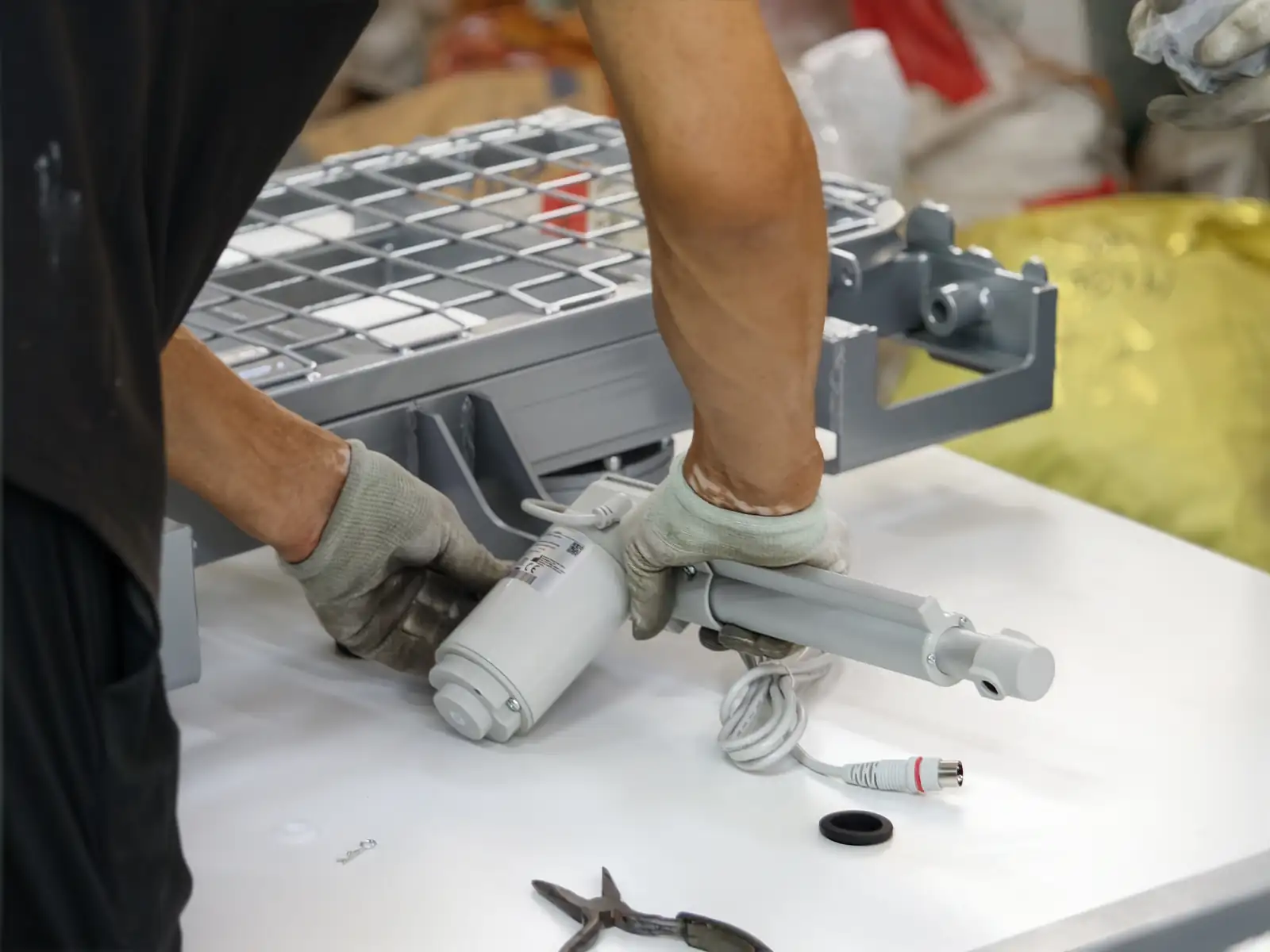
Ask what is checked at each stage, who performs the check, which acceptance criteria apply and how the result is recorded.
5. Examine incoming inspection and supplier control
Hospital bed quality depends partly on purchased materials and components, which may include steel, boards, casters, motors, control systems, fasteners, cables, plastics, upholstery and packaging materials.
- Are purchase specifications defined?
- How are suppliers approved and monitored?
- Which incoming items are inspected or tested?
- How are nonconforming materials identified and separated?
- How are component or supplier changes reviewed?
- Are critical components traceable to a supplier or batch?
The level of control should reflect the effect each item can have on the finished product. A buyer may not need every internal record, but the manufacturer should be able to explain the control logic and provide appropriate evidence.
6. Check production consistency, not only the sample
A well-prepared sample can look good while later batches remain inconsistent. Ask how the manufacturer transfers an approved sample or specification into repeat production.
- Approved drawings, specifications or configuration sheets
- Work instructions at relevant stations
- Fixtures, jigs and inspection tools
- First-piece confirmation where applicable
- In-process and final inspection criteria
- Identification and approval of changes
- Handling of nonconforming products
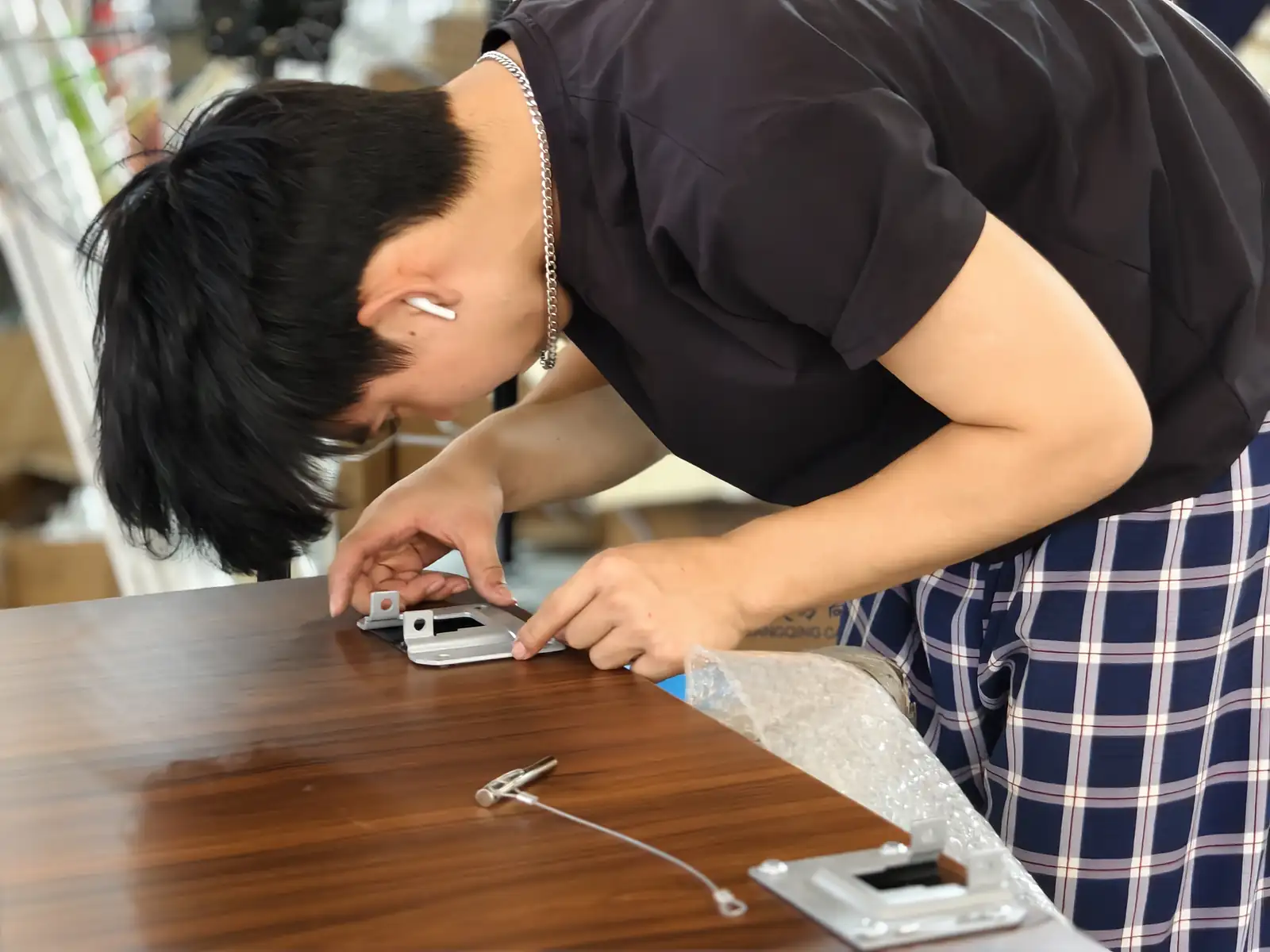
For repeat orders, confirm how configuration consistency is maintained and how changes are communicated before production.
7. Review product verification and risk-based evidence
ISO 14971 describes a lifecycle process for identifying, evaluating and controlling medical-device risks. A B2B buyer does not perform the manufacturer's risk-management work, but should check whether safety-related requirements are translated into design, production, verification, labeling and post-delivery processes.
For the selected model, request evidence appropriate to the project:
- Product specification or technical data sheet
- Function and performance checks
- Load or stability test information where applicable
- Electrical-safety or EMC evidence where applicable
- Operating instructions, warnings and maintenance guidance
- Label and model identification
- Market-specific declarations or certificates when required
Do not assume that a report for one model automatically covers another. Confirm the model designation, tested configuration, standard, laboratory, report date and relationship to the purchased product.
8. Evaluate document control and traceability
Reliable documentation helps a buyer identify what was ordered, produced, inspected and shipped. It also supports investigation when a problem is reported later.
- Model and configuration identification
- Drawing and specification revisions
- Production and inspection records
- Serial, lot or batch identification where applicable
- Product and carton labels
- Inspection status and release
- Packing lists and shipment records
- Change communication
Traceability requirements differ by product and market. The practical question is whether the available identification system can support the project and a future investigation.
9. Inspect packaging as part of product quality
International shipping can expose hospital beds to impact, vibration, moisture, compression and repeated handling. Packaging should therefore be reviewed as part of the product, not as an afterthought.
- Protection of painted, plastic and moving components
- Separation of loose accessories and hardware
- Moisture protection where required
- Carton or crate strength
- Product and package identification
- Loading method and movement prevention
- Packing-list accuracy
- Ease of unpacking and reassembly

For a new product or route, confirm packing dimensions, gross and net weight, loading quantity and any special handling requirement.
10. Test the response to a quality problem
Supplier capability becomes most visible when something goes wrong. Before approving long-term cooperation, ask how complaints, investigation, corrective action and spare-parts support are handled.
A distributor reports that several beds from one shipment have the same functional problem. What information would the manufacturer request, who would investigate it, how would affected units be identified, and how would corrective action be communicated?
A credible response should include evidence collection, product identification, containment, cause investigation, corrective action, responsibility and follow-up. A general promise that all problems will be solved is not a process.
11. Use a weighted supplier scorecard
Use the same scorecard for every shortlisted supplier so one strong presentation or one low price does not dominate the decision.
| Evaluation area | Suggested weight | Evidence to review |
|---|---|---|
| Product and market fit | 15% | Requirement review, configuration and market documents |
| Quality-management system | 15% | Certificate scope, procedures, records and responsibilities |
| Manufacturing and process control | 20% | Process flow, work instructions, fixtures and checks |
| Inspection and product evidence | 15% | Inspection criteria, test evidence and final release |
| Traceability and change control | 10% | Identification, revision control and change communication |
| Packaging and logistics | 10% | Packed unit, labeling, dimensions and loading method |
| Communication and project management | 10% | Technical clarification, response quality and documents |
| After-sales and problem response | 5% | Complaint process, corrective action and parts support |
Adjust the weights for the project and record evidence and open questions beside every score. A score without evidence is only an opinion.
12. Red flags that require clarification
- Company names or addresses do not match across documents
- Certificate scope is unrelated to the reviewed activity or product
- Product claims cannot be connected to specifications or test evidence
- The factory tour avoids relevant production or inspection areas
- Sample configuration differs from the quotation without explanation
- No clear method exists for controlling revisions or production changes
- Inspection is described only as a final visual check
- Nonconforming material is not clearly identified
- Packaging is discussed only after order confirmation
- Quality questions receive only sales language instead of evidence
13. Supplier prequalification questions
- Which legal entity and manufacturing site will supply the product?
- Which hospital bed families are manufactured at this site?
- Which processes are internal and which are outsourced?
- Which quality certificates are valid, and what is their scope?
- Which documents and test evidence are available for the selected model and market?
- How are incoming materials, production and finished products inspected?
- How are configurations, revisions and changes controlled?
- What product-identification and traceability information is available?
- How are packaging and shipment protection confirmed?
- How are complaints, corrective actions and spare-parts requests handled?
- Which OEM elements can be reviewed and which require technical confirmation?
- What information is required before price, schedule and documentation can be confirmed?
How SHLION supports supplier evaluation
SHLION welcomes buyer questions about product application, configuration, manufacturing, inspection, documentation, packaging and cooperation requirements. Buyers can share their target market, product category, expected quantity and audit checklist so relevant evidence and open confirmation items can be reviewed for the project.
Exact specifications, available documentation, customization scope, commercial terms and schedule must be confirmed for the selected model and order.
Frequently asked questions
Is an ISO 13485 certificate enough to approve a hospital bed manufacturer?
No. It is useful quality-system evidence, but buyers should also review its scope and validity, product-specific evidence, manufacturing and inspection controls, market requirements, packaging, communication and problem response.
What should buyers inspect during a hospital bed factory visit?
Follow one relevant model through incoming inspection, production, in-process checks, final inspection, labeling and packing. Ask what is controlled, who is responsible, which criteria apply and which records demonstrate the result.
How can a buyer compare a factory visit with a remote audit?
Use the same checklist. A remote review may combine a live video route, dated photos, selected records, document review and follow-up questions. Important evidence should be tied to the reviewed site, model and date.
How can buyers check whether production will match the approved sample?
Review the approved configuration, drawings or specification sheet, work instructions, inspection criteria, revision control and change-approval process. Confirm how changes are communicated before production.
Which test reports should be requested?
Request reports relevant to the selected product, configuration, intended market and applicable requirements. Check the model, tested configuration, standard, laboratory, report date and coverage.
What is the most important supplier-audit question?
Ask the manufacturer to show how a specific requirement becomes a controlled production step, inspection result and shipment record. This connects a sales claim to operational evidence.
Standards and references
- ISO 13485 — Medical devices quality management systems
- ISO 14971:2019 — Application of risk management to medical devices
- U.S. FDA — Quality Management System Regulation
This article provides a general B2B supplier-evaluation framework. It is not legal or regulatory advice. Product classification, registration, documentation and market-access requirements must be confirmed for the specific product and destination market.
Discuss Your Supplier Evaluation Requirements
Share your target market, product category, expected quantity, documentation needs and audit priorities so the SHLION team can review the project.
Send Your Requirements